🇰🇷 "Hong Gildong Jeon": The Epic Tale of a Righteous Korean Hero! ⚔️🔥 A Groundbreaking Novel That Boldly Criticized Injustice in Joseon Korea! 🌟
Hello everyone! In the brilliant history of Korean literature, there shines a story like no other: "Hong Gildong Jeon" (홍길동전)! 📚✨ This classic novel, believed to have been written in the early 17th century during the Joseon Dynasty by an extraordinary scholar named Heo Gyun (허균), is so much more than just an old tale. It carries a revolutionary message that powerfully critiques the social problems of its time and expresses a dream for a better world. Most importantly, it holds the title of being the first novel ever written in Hangeul (한글), the Korean alphabet! What a monumental achievement in Korean literary history! 👑
Shall we dive deep into the fascinating world of Hong Gildong Jeon? 🚀
1. 📜 Historical Background: The Shadows of Joseon That Shaped Hong Gildong's Fate 🌑
The early 17th century, when "Hong Gildong Jeon" was written, was a period of intense social turmoil and contradictions in Joseon Korea. 😥 While outwardly appearing calm, the society was boiling with deep-seated issues that burdened its people.
- 💔 The Wall of Social Class: The Tragedy of "Seoja" (Illegitimate Children)
- Joseon was a society built on a strict, rigid class system dominated by the Yangban (양반), the aristocratic class. 😩 A particularly harsh aspect was the discrimination against "Seoja" (서자), children born to a Yangban father and a concubine (not his main wife).
- No matter how intelligent or talented they were! 💡 They faced immense barriers. It was virtually impossible for them to take the civil service exam or hold significant government positions. 😭 Furthermore, they weren't even allowed to call their biological father "father" or their older half-brothers "brother" directly, having to use formal titles like "Lord" or "Elder Brother" instead. This stripped them of basic human respect. 🗣️❌
- This system caused profound frustration and resentment among many "Seoja" individuals, leading to their talents being wasted. Hong Gildong himself symbolizes the suffering of these illegitimate children. 💔
- 💰 Corrupt Officials: The Exploitation of the Common People
- After enduring two major wars (the Imjin War and Jeongyu War), Joseon was utterly devastated. 😔 Yet, what made the lives of the common people even harder were the greedy and corrupt officials, known as "Tamgwan-ori" (탐관오리). 😠
- These officials would collect excessively harsh taxes and engage in all sorts of corrupt practices to enrich themselves. 😠 The common people were left starving and suffering, with nowhere to turn for justice. 😩
- "Hong Gildong Jeon" fiercely criticizes this corrupt power and vividly portrays the pain of the oppressed people.
2. 🧑🏫 Author Heo Gyun: A Reformer's Call Ahead of His Time! 📣
Heo Gyun, the brilliant scholar credited with writing "Hong Gildong Jeon," was far from just a novelist. He was a progressive thinker who didn't confine himself to the conventional ideas of his time, despite being from a prominent Yangban family. 🧠💡
- He quickly recognized the injustice of social discrimination and deeply connected with "Seoja" individuals, sharing their pain.
- He directly witnessed the rampant corruption of officials and the miserable lives of the common people, which ignited a strong desire for social reform within him. 🔥
- Heo Gyun was critical of the irrational institutions and customs of the Confucian society and was considered a "troublemaker" who dreamed of an egalitarian world. His progressive ideas and sharp observations are powerfully expressed throughout "Hong Gildong Jeon." 💥 The novel was not merely an entertaining story; it was a voice for the oppressed and a call for reform. 🗣️

3. 🦸♂️ Protagonist Hong Gildong: A Naturally Gifted Superhero! 🌠
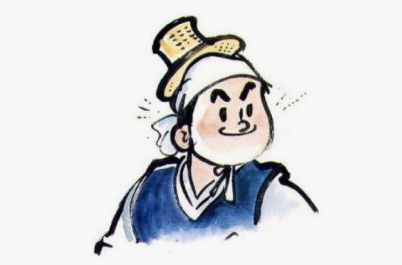
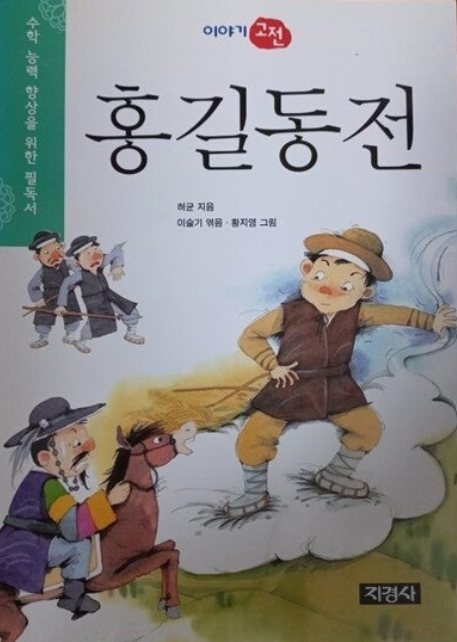
The protagonist, Hong Gildong, was extraordinary right from birth. ✨
- Exceptional Intellect and Martial Arts Skills: Even as a child, he was incredibly intelligent, well-versed in academics, and possessed formidable martial arts prowess. 💪
- Supernatural Abilities: On top of that, he had mysterious powers like "Dosul" (도술, Taoist magic/sorcery) and "Chukjibeop" (축지법, the art of shrinking distances or teleportation). 🪄💨
- Dosul: He could fly through the air, change his appearance into other people, or create multiple clones of himself to confuse enemies. ✨
- Chukjibeop: This technique allowed him to instantly travel great distances, as if shrinking the land itself. 🏃♂️💨
- Crushed Dreams: Despite his incredible talents, due to his "Seoja" status, he suffered the humiliation of not being allowed to call his own father "father" and faced deep emotional pain. To make matters worse, his stepmother, Chorani, was intensely jealous and even tried to assassinate him. 🔪😱
- Awakening: Ultimately, feeling frustrated by this unfair reality, he leaves home. However, he soon decides to use his extraordinary abilities to fight against the unjust world. 😤🔥
4. 🎬 The Epic Plot: A Grand Saga for Justice! 🗺️
After leaving home, Hong Gildong roams the country, witnessing the miserable reality of the suffering common people. And he decides he can no longer stand idly by! 😤
- 1️⃣ Founding the Hwalbindang and Righteous Bandit Activities:
- Hong Gildong gathers like-minded individuals and forms a righteous bandit group called "Hwalbindang" (활빈당). 💪 (As the name suggests, it means "League to Help the Poor"!)
- They weren't just ordinary thieves. 💰❌ They would rob the corrupt officials and greedy wealthy landowners and redistribute the wealth to the poor and oppressed people. 🎁 For the common folk, he was truly a savior! 🙏
- Gildong, with his elusive magic and brilliant strategies, outwitted the government forces. He'd create numerous fake Hong Gildongs to confuse them, and even leave notes after a robbery saying, "Hong Gildong was here!" 😄 He served justice in both witty and satisfying ways.
- 2️⃣ Confrontation and Compromise with the Government: Breaking Down Class Barriers!
- Gildong's audacious activities quickly gained attention from the royal court. The King dispatches troops to capture him, but Gildong's magical prowess allows him to escape every time. 😎
- Eventually, realizing that capturing Hong Gildong is impossible, the King agrees to his demands: punishing the corrupt officials, and even offering him the prestigious position of "Byeongjopanseo" (병조판서), equivalent to the Minister of War! 👑✨
- This was a radical and revolutionary plot twist, as a "Seoja" was strictly forbidden from holding such high office. It clearly shows the author's intent to critique the absurdity of the class system. Hong Gildong, though offered the position, chose to demonstrate that even a "Seoja" could achieve greatness, thereby transcending his social limitations. 👍
- 3️⃣ Building Yuldoguk (율도국): The Pursuit of an Ideal Land! 🏝️🌈
- Even after being offered the "Byeongjopanseo" title, Hong Gildong realizes that the fundamental problems of Joseon society remain unresolved. 😔 He understands that he cannot fully realize his grand ideals within the confines of Joseon. So, he decides to leave Joseon in search of a new world. 🚀
- Gildong arrives at a beautiful island in the East Sea called "Yuldoguk" (율도국). 🌊 Here, he becomes King and establishes an ideal nation where there is no social discrimination, and all people live peacefully and happily. 🥳
- Yuldoguk is the embodiment of Utopia that author Heo Gyun dreamed of, and it reflects the long-held aspirations of the oppressed people of his time. In Yuldoguk, Hong Gildong truly becomes a great leader, fulfilling his ideals and living happily. 💖

5. 💎 The Enduring Value of Hong Gildong Jeon: A Timeless Message! 🗣️✨
"Hong Gildong Jeon" is much more than just an old story. It carries powerful messages that resonate deeply even today.
- ✊ A Sharp Critique of Social Discrimination and Injustice:
- It vividly portrays how an irrational class system oppresses and destroys individual lives.
- It exposes the corruption of officials and the suffering of the common people, advocating for a just society.
- This is not merely a tale confined to Joseon; it has significant implications for issues of inequality and discrimination in modern society as well.
- 📖 A Literary Revolution: The Dawn of Hangeul Novels!
- In an era where Chinese characters (Hanmun) dominated official writing, this novel was written in Hangeul, making it easily accessible to the common people. 🎉 This marks a revolutionary moment in literary history!
- It showed that novels were not just for a privileged few, but for everyone, thus leading to the popularization of literature in Korea. 📚➡️👨👩👧👦
- 🌟 The Archetype of a Hero and a Message of Hope:
- Despite his unfortunate birth, Hong Gildong serves as the archetype of a hero who overcomes adversity through extraordinary abilities, fights injustice, and realizes his ideals. 💪
- His story brought hope and courage to the oppressed common people and became a driving force for dreaming of a new world beyond the limits of reality. ✨
- 🇰🇷 A Living Source for Cultural Content:
- Hong Gildong remains one of the most familiar and beloved classical heroes among Koreans. ❤️
- He continuously inspires and is reinterpreted in countless modern cultural contents, including movies, dramas, animations, comics, and games. 🎬🎮 The name "Hong Gildong" itself is even used as a common idiom to refer to a generic person or someone who appears everywhere at once, showing his deep integration into Korean life.
Although "Hong Gildong Jeon" is an old classic, the aspirations for justice, equality, freedom, and an ideal society contained within it transcend time and continue to deliver a powerful message to us today. 👍 If you haven't read it yet, I highly recommend you do! 📖✨
Children’s Day: A Special Day to Nurture Dreams in the Laughter of Children
Children’s Day: A Special Day to Nurture Dreams in the Laughter of ChildrenEvery year on May 5th, we celebrate Children's Day, a day to remind ourselves of the preciousness of children and to create a world where they can grow up in happiness and health.
8619.tistory.com
Yi Seong-gye: Founder of the Joseon Dynasty and an Important Leader in Korean History
Yi Seong-gye: Founder of the Joseon Dynasty and an Important Leader in Korean History Visit Encyclopedia of Korean CultureIntroduction: The Life and Achievements of Yi Seong-gyeYi Seong-gye (李成桂, October 9, 1335 – June 24, 1408) is the founder of t
8619.tistory.com
🌏 1. Location and Geographical Features of Homigot
🌏 1. Location and Geographical Features of HomigotHomigot (虎尾串) is located in Homigot-myeon, Nam-gu, Pohang City, Gyeongsangbuk-do, and is recognized as the easternmost tip of the Korean peninsula.It directly faces the East Sea (Donghae) and is kn
8619.tistory.com
'korea of ~' 카테고리의 다른 글
| 🌸 Parents' Day: A Day to Appreciate Parental Love! 💖✨ (5) | 2025.07.10 |
|---|---|
| 🌸 Simcheongjeon (沈淸傳): A Symbol of Filial Piety, a Touching Classic 💖 (5) | 2025.07.09 |
| Children’s Day: A Special Day to Nurture Dreams in the Laughter of Children (2) | 2025.05.05 |
| Dongji in Korea – A Detailed Look (0) | 2025.05.01 |
| Hahoe Mask: A Symbol of Korean Tradition, Its Deep Meaning and Beauty (1) | 2025.04.29 |